Transactional Compliance for Court Email Reminders: Balancing Law, Access, and Admin Practice
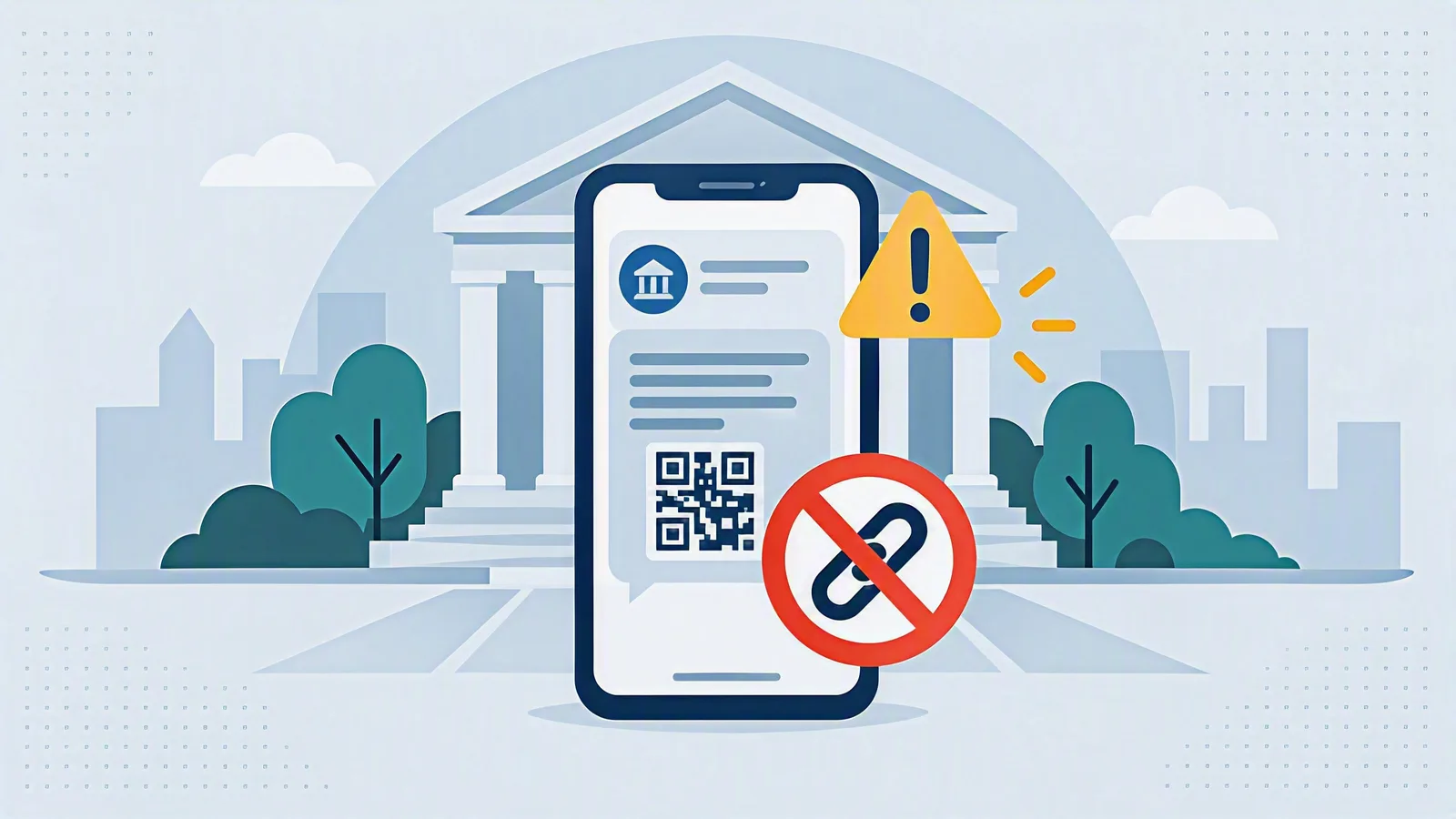
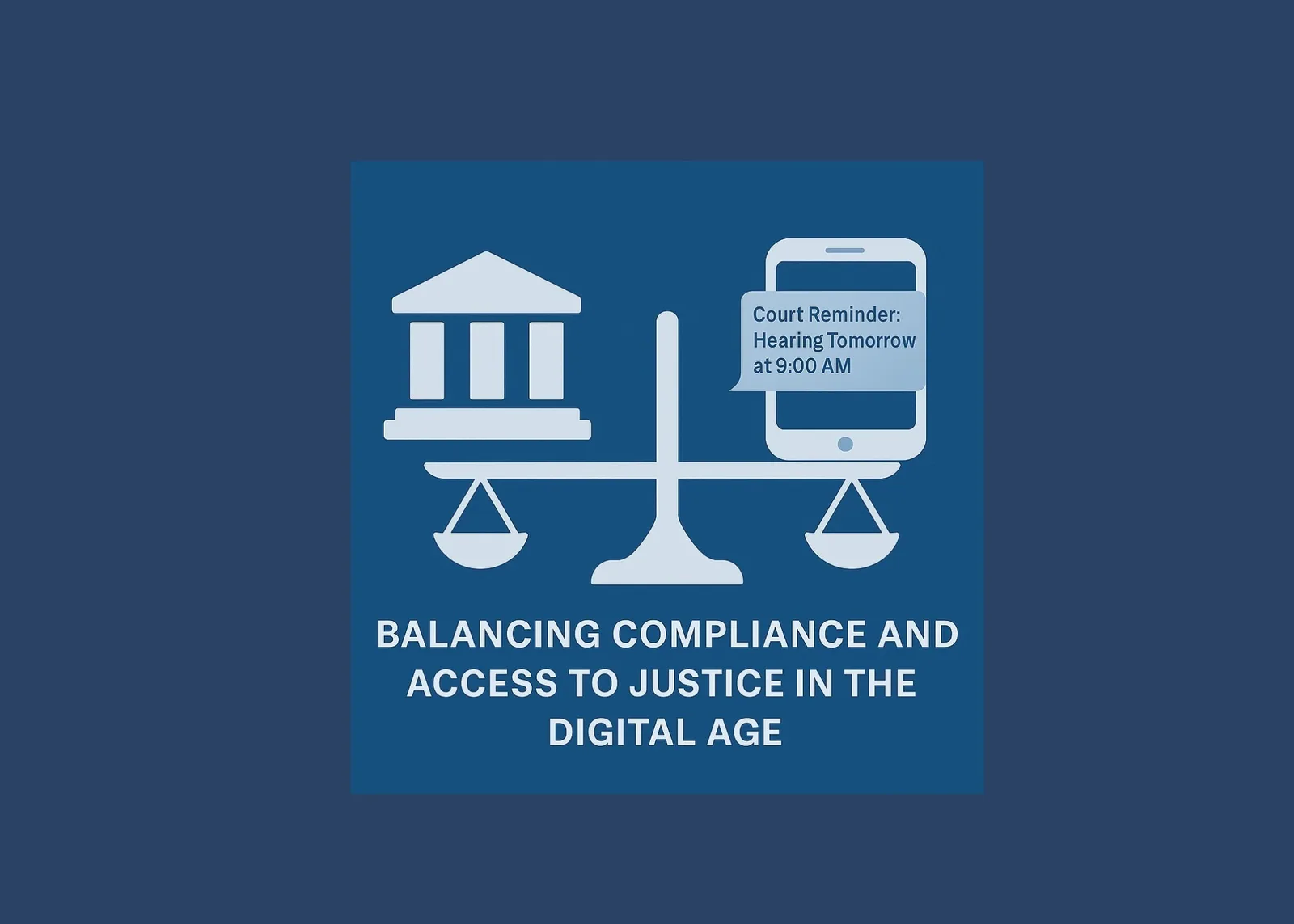
Courts are expanding to email reminders. Learn how CAN-SPAM and state laws apply, and how to balance compliance, access, and public trust.
Best practices, research trends, grant opportunities, data insights, engineering advancements, and community updates
Courts are expanding to email reminders. Learn how CAN-SPAM and state laws apply, and how to balance compliance, access, and public trust.
Explore the latest articles and resources to help you succeed with eCourtDate.
Launching court text reminders? Market the program so the public trusts it. Seven Go-Live steps,…
Fake court texts demanding payment now look almost identical to real reminders. The real cost is…
The court sets the docket, the department sets the shift, the prosecutor issues the subpoena. None…
RAND's 2026 AI taxonomy rates court reminders low equity risk and explainable. Predictive…
CourTools tracks clearance rate, time to disposition, and trial date certainty. Here’s what predicts…
One operational change at jail booking dropped Tarrant County's warrant rate from 9% to 2.6%.…
A Cicero Institute brief makes the fiscal case for opt-out court reminder enrollment, where…
System actors miss court in 53% of cases. Defendants miss in 19%. New data reframes failure to…
Court date reminders have no political opposition. Democrats, Republicans, law enforcement, and…
Texas courts can send text reminders legally and for free. Here is what the law says, why consent…
Six posts. Dozens of studies. One conclusion: court reminder systems work. Here's what the…
Message wording and form design impact court appearances. NYC achieved 36% reductions through…
Courts can balance TCPA compliance with access to justice. Learn best practices for lawful,…
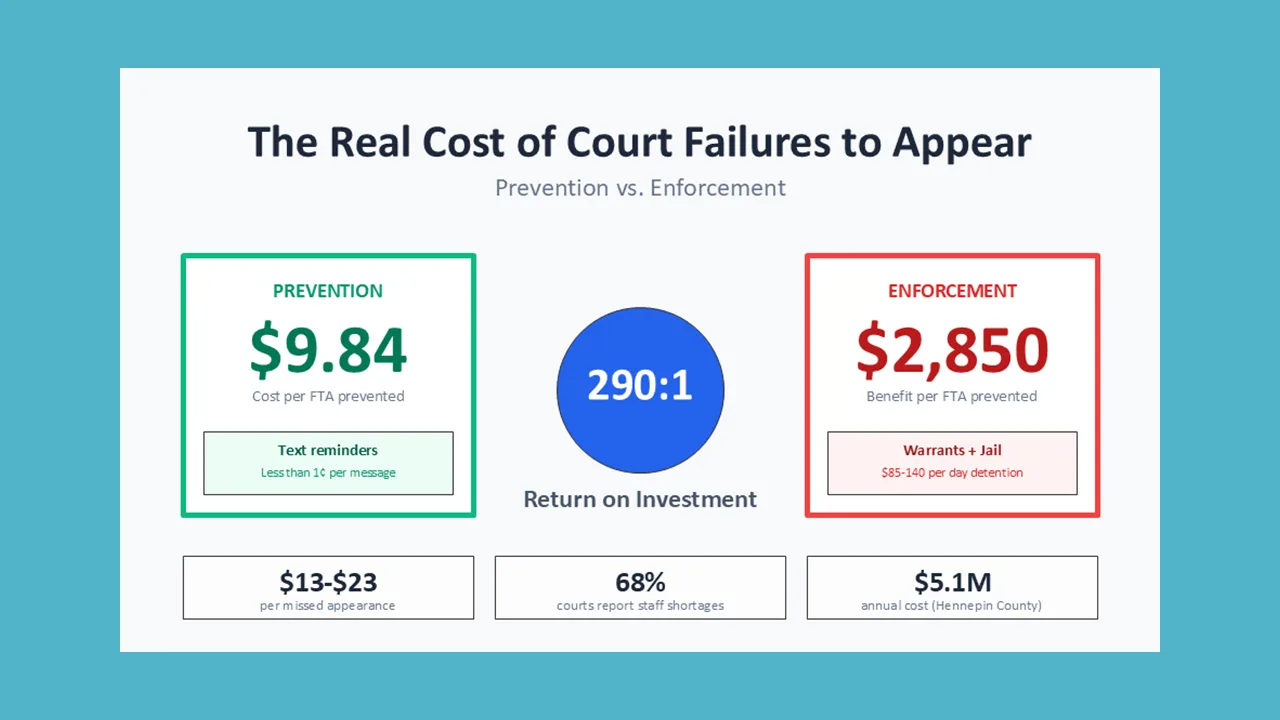
Prevention costs $9.84 per FTA. Enforcement costs $2,850. That's 290:1 ROI. Yet half of states don't…
Most court failures to appear are communication breakdowns, not defiance. 90% were unaware that…
Failure to appear drives 1 in 8 jail bookings nationwide. New data shows how missed court dates on…
A data-driven look at the scale of U.S. courts, failures to appear, warrants, and jail churn, and…
Modern court communication does not have to be hard. The right partner helps counties reduce…
Part 2 of 3. Courts want to modernize, but structural limits make change hard. This post explores…
Part 1 of 3. Court reminders work, but adoption is slow. This post looks at the evidence and the…
GovLink AI helps agencies modernize communication through secure, accessible, and citizen-focused…
eCourtDate partners with NAPSA to develop national Pretrial IT Standards, promoting fairness,…
eCourtDate delivers the automated court reminder systems R Street advocates—proven, equitable, and…
Counties improve justice outcomes by focusing on process and performance. See how eCourtDate…
Virginia’s Pretrial Data Project shows the power of persistence. With eCourtDate, agencies can…
Court systems are complex, but small steps matter. Court reminders cut missed appearances by up to…
APPR defines what to measure in pretrial. eCourtDate dashboards show how to act on it, turning…
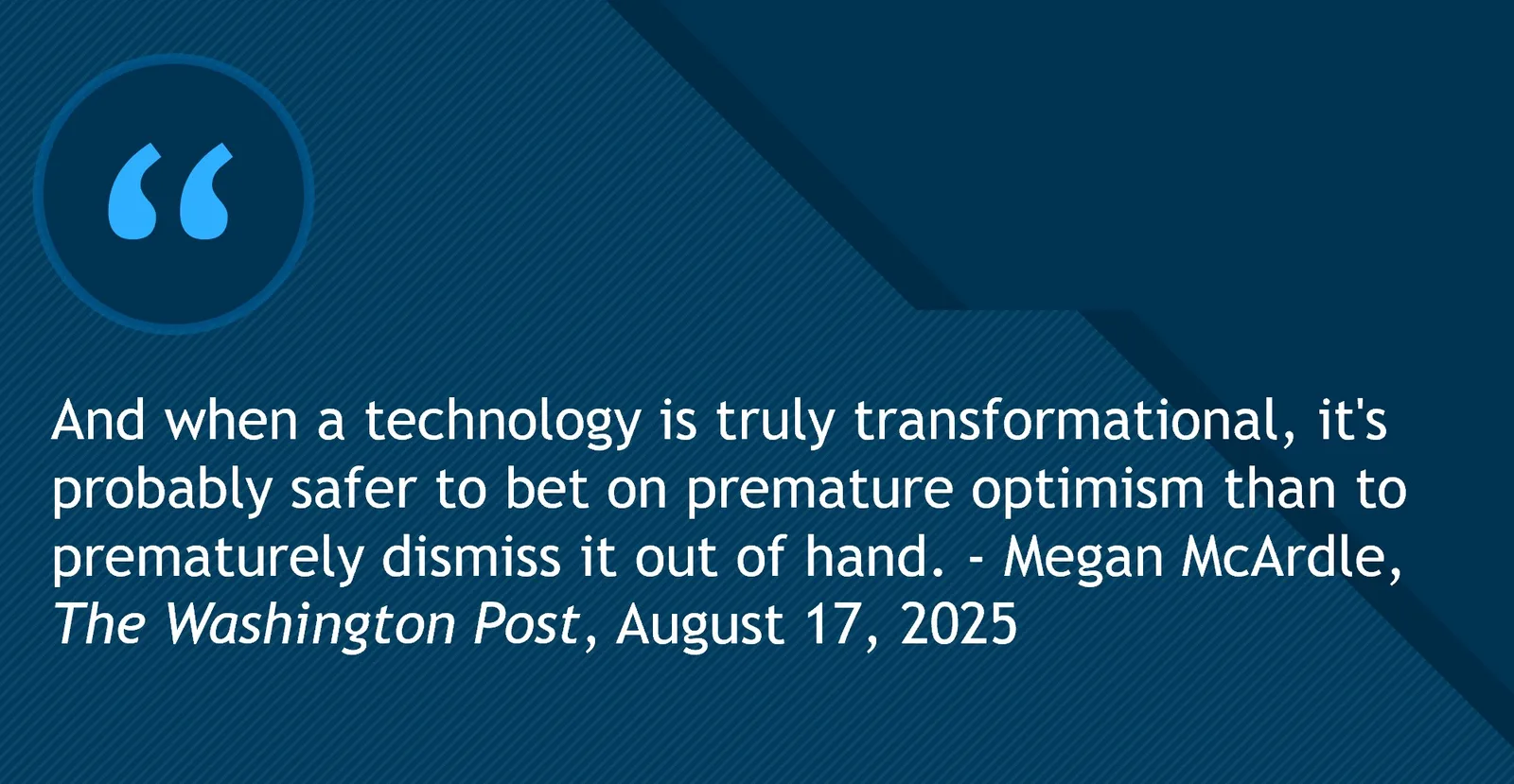
AI hype may fade, but history shows tech reshapes work. In courts, AI will transform tasks, not…
NCSC’s 2025 Trends highlights AI shaping courts. Read the report and see how eCourtDate brings these…
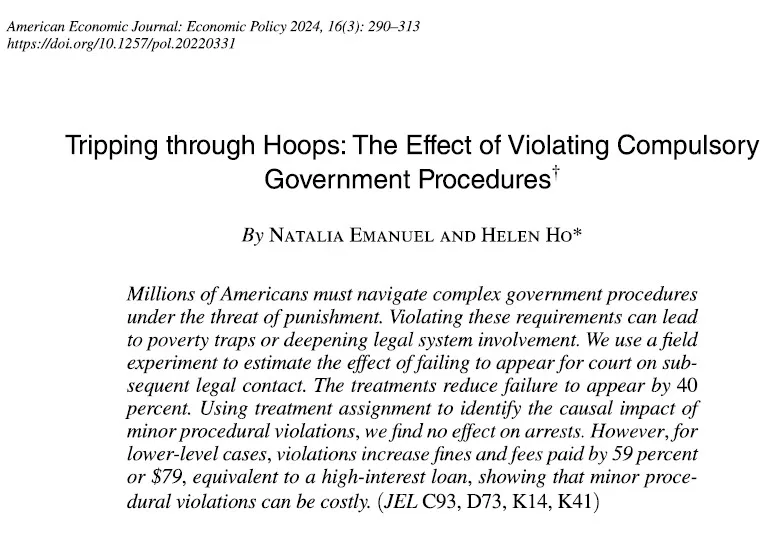
Missing court adds 59% in fines. A study shows how eCourtDate can help cut FTAs with text reminders,…
New Mexico Pretrial Justice Program earned Honorable Mention for the IJIS Court Integration…
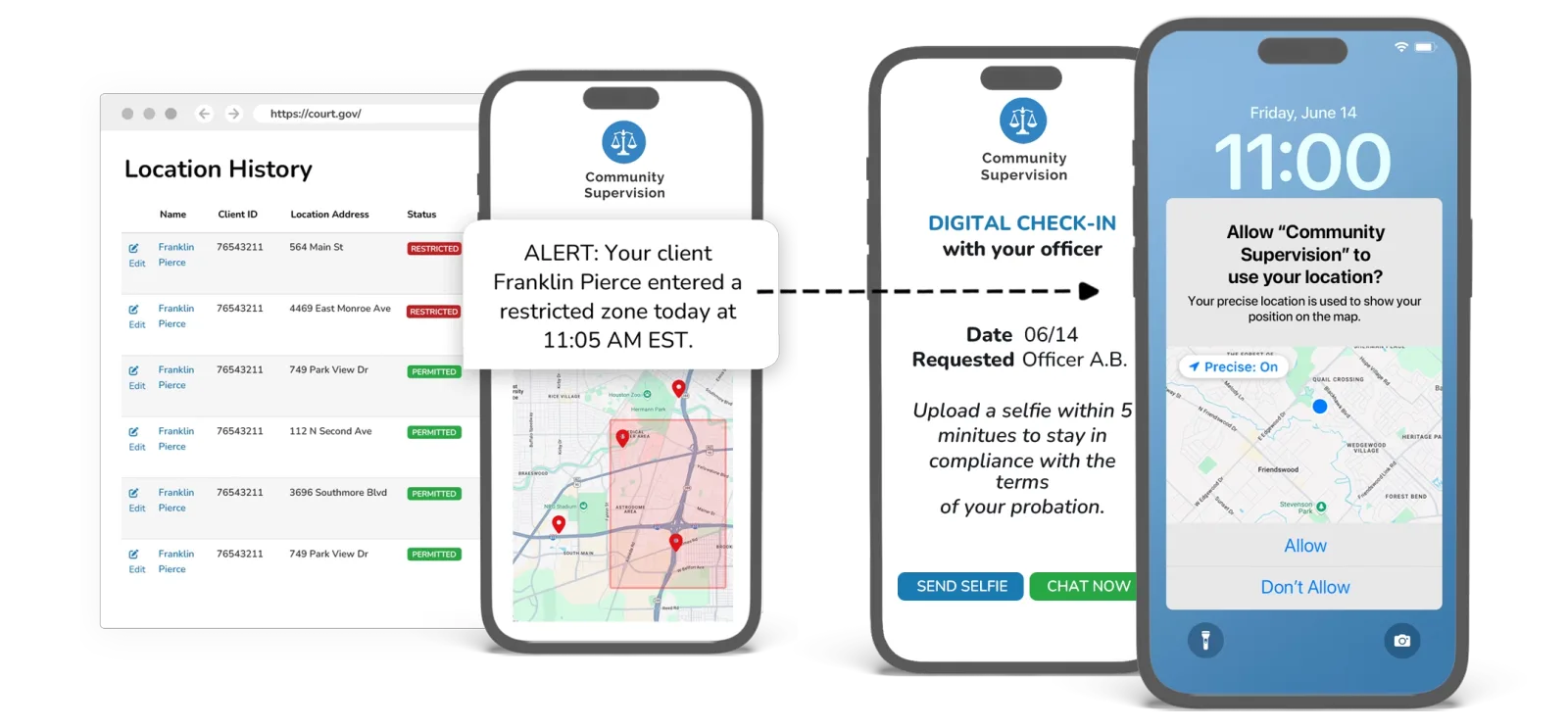
eCourtDate's Client Supervision Solution is a modern, mobile-first platform supporting pretrial…
Insights across multiple areas to enhance your experience
Implementation guides, optimization tips, and strategies to maximize your eCourtDate experience and improve user adoption.
Research summaries, national trends, and the evidence on what reduces missed court dates.
Strategies for creating meaningful metrics, implementing data-driven evidence, and leveraging analytics for better outcomes.
Information on available grants, funding application strategies, and resources to help courts improve technology access.
Connect with peers and stay updated on the latest events and resources.
Join us for our upcoming events, webinars, and community gatherings
Oregon Association of Court Administration Location Notes: Salem Oregon
CJCAT – County Judges & Commissioners Annual Conference Location Notes: Waco, TX
Yes. Courts that add automated reminders on top of mailed notices consistently report lower failure to appear rates, with published studies and agency reports showing reductions in the range of 20 to 40 percent. The size of the drop depends on how early the reminder is sent, how many channels are used, and whether contact information is kept current.
Text messaging reaches the most people, because it does not depend on a smartphone, an app, or a data plan. Most agencies combine SMS with email and voice calls, and keep mailed notices for people with no reachable phone number. Sending more than one reminder, typically a week ahead and again the day before, works better than a single notice.
A common pattern is one reminder about seven days before the court date and a second one the day before. The first gives someone time to arrange transport, childcare, or time off work, and the second addresses simple forgetting.
Court reminders are generally treated as informational rather than marketing messages, but requirements vary by jurisdiction. Agencies should confirm their own rules, record how a phone number was obtained, and provide a clear way to opt out and to change a contact number.
Court modernization is regularly funded through federal justice assistance programs, state judicial technology funds, and pretrial improvement grants. Eligibility and deadlines change each cycle, so the current programs and their requirements are tracked in the Grant Opportunities category of this blog.
The primary measure is the failure to appear rate before and after launch, compared over the same seasons. Useful supporting measures are message delivery and bounce rates, the share of people with a reachable contact method, opt out rates, and the number of warrants issued for non appearance.